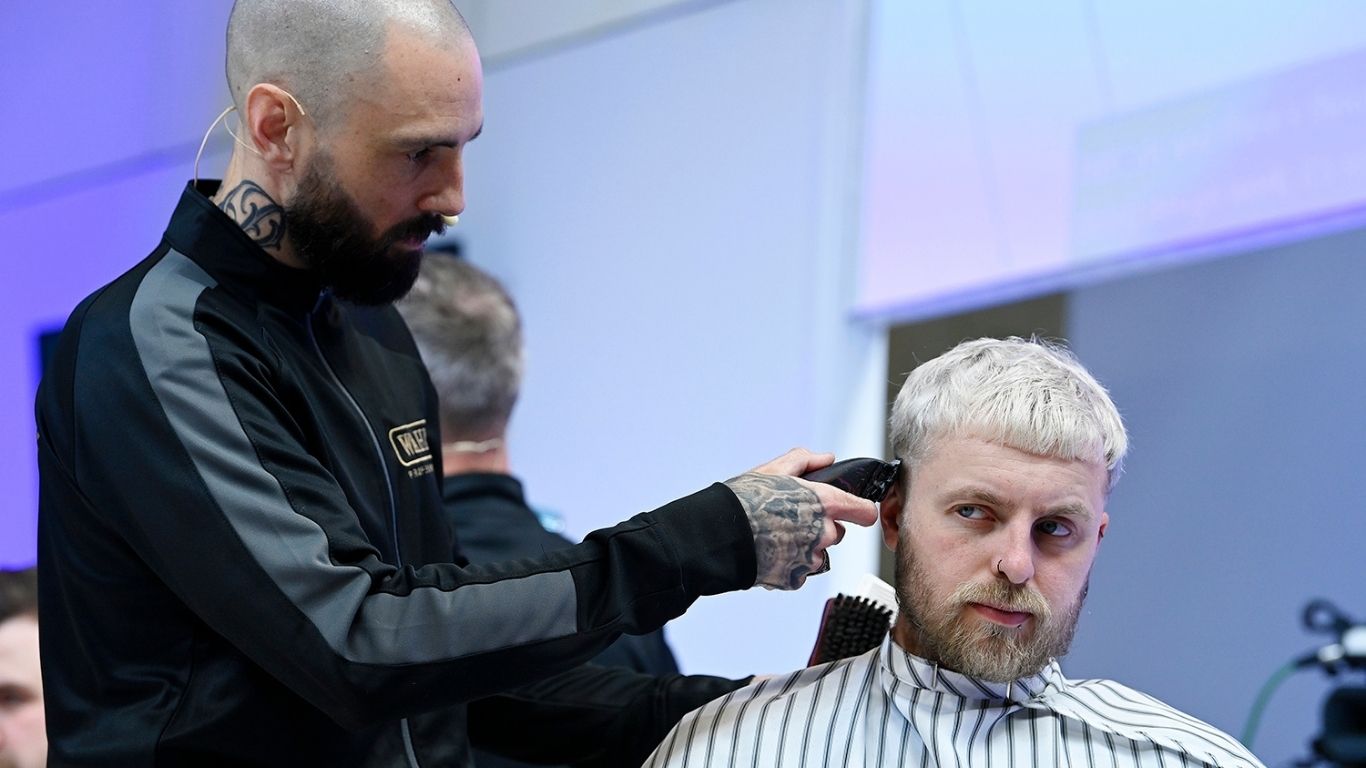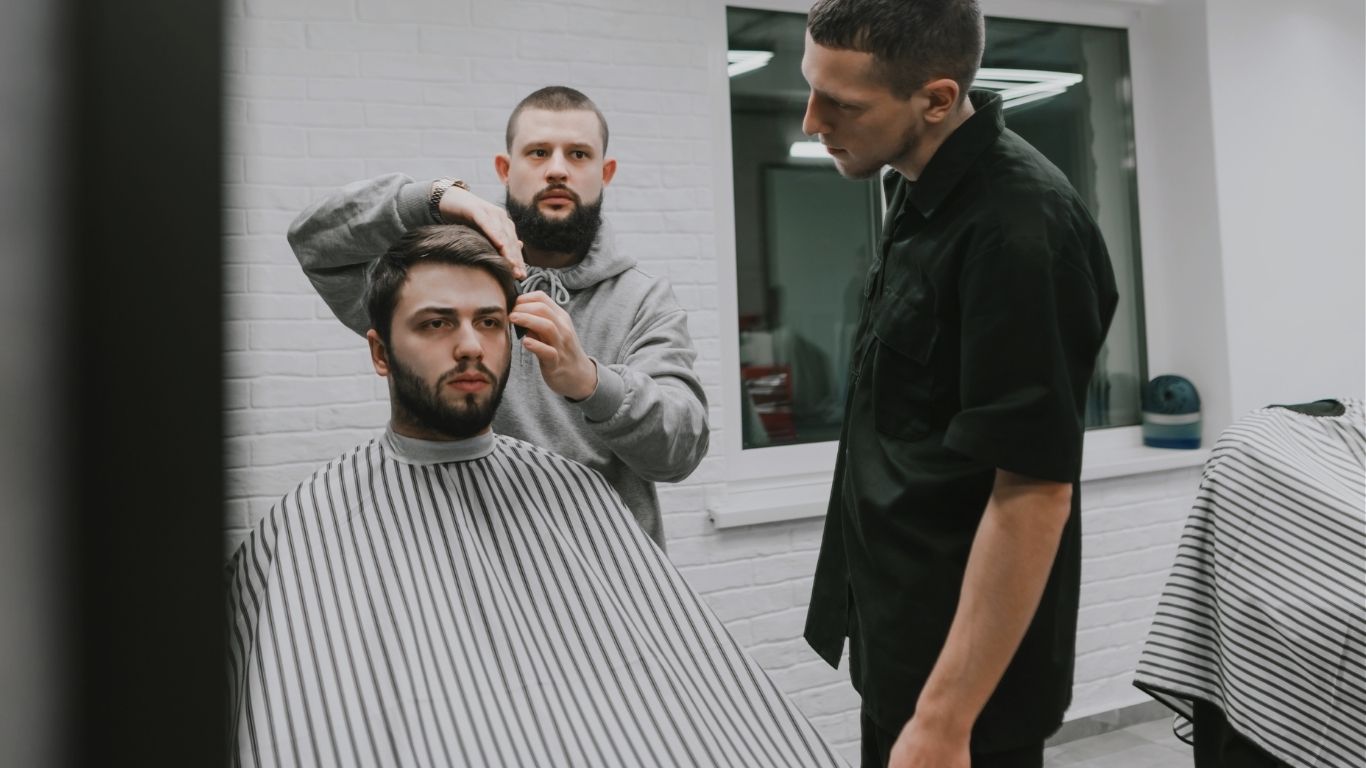
Leif McCreery, Southampton-based barber and educator, discusses whether the college education system is fit for barbering
In the past year of teaching at my local college, I have noticed a significant difference between what is being taught at college and what is expected within the industry once students leave education. Is “industry standard” really industry standard anymore? Has barbering as a whole changed since our days at college or during apprenticeships?
Whilst I was mulling this over, I was watching the Noble Barber podcast, and the first video I watched featured award-winning stylist Joe Mills, who said, addressing his own apprentices: “If I just left you to do your NVQ Level 2 or 3 at college, do you feel you would be of a standard to work for me?” They all said no.
Much like styles that chop (no pun intended) and change throughout our careers, so too does what we should be teaching this new generation. We have to examine whether we are teaching students and apprentices the skills needed for the current barbering environment and if colleges are teaching what’s right for the modern barbershop.
Barbering has seen a massive surge in interest from the younger generation, and more and more 16-year-olds are learning barbering at college, believing they are ready for the shop floor and the industry. Are we seeing students being set up to fail, realising they haven’t gathered enough during their time at college? We are seeing many more barbering academies opening, and whilst initially many were disparaging about these producing “shop-ready” barbers, by the end of the courses, we are now seeing graduates of these academies flourishing throughout the industry.
When I entered barbering, I discussed attending an academy and paying my hard- earned money for the course. Many barbers I knew told me not to, claiming it would be a waste of time and money. However, as I mentioned earlier, many barbers who went through this route ten years later are now revered in the industry. At the college, I noticed the younger generation who enter barbering mostly do so either because they are required to take a course due to government guidance, or because they cannot afford the cost of attending an academy.
The academies push their students through hundreds of cuts each week, encouraging them to improve their work week by week, with barbers who are still active in the industry, pushing their limits. Do colleges offer the same? According to Joe Mills, they do not. For example, a VTCT NVQ qualification requires only eight passable haircuts for a student to gain their NVQ in barbering. Would that be enough to make a barber shop-floor ready? I certainly didn’t feel that way when I first stepped onto the shop floor.
So, what can we do to help? If we have apprentices in colleges, we should make sure we’re offering in-house training in addition to what they do at college. My own apprentice cuts on the shop floor on Saturdays, with my guidance at the end of the day, so I can work one-on-one with him. I’ve seen this help him within his college course and set him up to be ready for the shop floor. We could also offer to help at local colleges, provide guidance for existing courses, and support service providers, as well as the governing bodies offering the qualifications.
I’ve often wondered whether the college education system is fit for barbering these days, or if it ever was. The way that students are taught isn’t always in tune with what is happening inside our industry, whereas the academies still seem to have their finger on the pulse.
If you have the chance, go and check out your local college that offers barbering, offer some guidance, or volunteer to help once a week or month, so that students hoping to enter this industry may leave with, if not shop floor readiness, then at least more finely tuned skills for the trade.